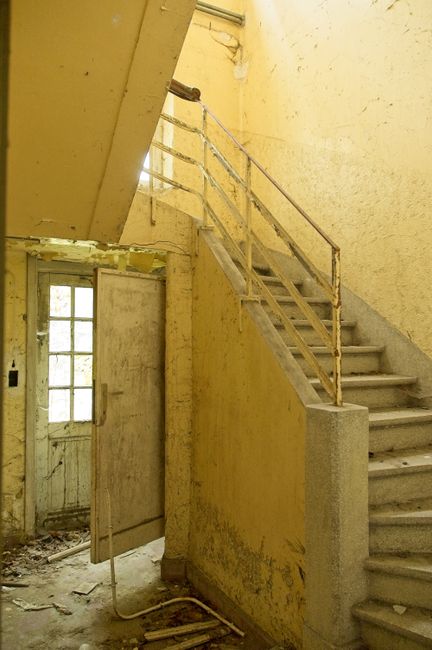
Ilford flat removals avoid damage on narrow staircases: a practical guide for safer flat moves
If you live in a flat in Ilford, chances are the staircase is the real challenge, not the sofa. Tight turns, low ceilings, awkward landings, and old banisters can turn a simple move into a careful little operation. That is exactly why Ilford flat removals avoid damage on narrow staircases matters so much: it is about getting your belongings out safely, protecting the building, and keeping the move calm enough to feel manageable.
In this guide, we will break down how damage-free flat removals work, what good movers do before the first box is lifted, and which mistakes tend to cause the expensive scuffs, dents, and last-minute stress. You will also get a step-by-step plan, a checklist, and a realistic comparison of the options people usually consider in Ilford. Let's face it, nobody wants to carry a wardrobe down three floors only to discover the stair wall now looks like it has been in a boxing match.
Why Ilford flat removals avoid damage on narrow staircases Matters
Narrow staircases are one of the most common pressure points in flat removals. In Ilford, that often means older converted homes, maisonettes, and apartment buildings where the stairwell was never designed for modern bulky furniture. The problem is not just size. It is the combination of restricted width, awkward angles, and shared access that leaves very little room for error.
Damage tends to happen in predictable places: corners, handrails, painted walls, door frames, and the edges of the item being carried. A single misjudged pivot can leave a scuff on a wall or a chip in woodwork. And if the item is heavy, the risk rises quickly. You may also have neighbours passing through, which adds time pressure and makes rushed carrying even more likely.
There is another reason this matters. A careful move is usually a cheaper move in the end. That sounds backwards at first, but it is true. Preventing damage is far less stressful than repairing it later, especially in a rented flat where the condition of communal areas can affect deposits, complaints, and landlord conversations. If you are comparing flat-specific services, it can help to understand the broader support available through flat removals in Ilford and the wider services overview.
Expert summary: the safest flat moves are rarely the fastest ones. They are the ones planned around stair width, landing space, furniture shape, and clear carrying routes.
How Ilford flat removals avoid damage on narrow staircases Works
The process starts before moving day. Good planning means measuring the stairwell, identifying the awkward turns, and deciding what can be carried safely by hand versus what needs partial dismantling. A mover with real flat-removal experience will not assume a wardrobe or mattress will simply "fit somehow". They will check, measure, and adapt.
On the day itself, damage avoidance usually comes down to a few practical habits. Items are wrapped in blankets or padded covers, corners are protected, and carriers communicate clearly before each turn or step. One person leads, another supports, and the pace stays controlled. When a staircase is especially narrow, the team may rotate an item vertically or at an angle, but only when it is safe to do so. No heroics. That is the point.
For moves involving especially tight access, some people choose a smaller vehicle or a more flexible team setup. That can be especially useful if you are moving from a flat near central Ilford or a block where parking and access are tricky. If that sounds familiar, the service pages for man and a van in Ilford and man with a van in Ilford are worth understanding, particularly when the building layout makes a large truck less convenient.
Packaging matters too. A well-packed box is more than tidy; it is easier to lift, stack, and carry without wobbling. Poorly packed boxes can split, shift, or force the carrier to use awkward grip positions on the stairs. That is where things go wrong, usually in a very mundane way. A box slips, a knuckle catches the wall, and suddenly the whole landing sounds like a minor disaster.
Key Benefits and Practical Advantages
When a flat removal is planned properly around narrow stairs, the benefits are not just cosmetic. Yes, you avoid scuffs and dents, but there are broader advantages that make the whole day easier.
- Less risk to the property: walls, bannisters, paintwork, and flooring stay in better condition.
- Less stress for you: you are not hovering at the stairwell worrying about every corner.
- Safer lifting: the team can move in a controlled way instead of rushing.
- Better neighbour relations: fewer bumps, fewer blocked landings, less noise, and less frustration.
- Cleaner handover: especially useful if you are leaving a rented flat or managing a sale completion day.
There is also a time-saving angle, oddly enough. A careful move is often quicker than a chaotic one because people are not stopping to fix mistakes or reassess a bad carrying angle every thirty seconds. You would think "careful" means "slow", but in removals those are not always the same thing.
If you are leaving a flat and need temporary space, it may also be smart to consider storage in Ilford. Taking bulky items out of the equation can make the stair work much simpler. It is one of those decisions that feels small during planning and huge on moving day.
Who This Is For and When It Makes Sense
This approach is ideal for anyone moving in or out of a flat with limited internal space. That includes top-floor apartments, maisonettes, conversion flats, and any building with a tight staircase, narrow hallway, or awkward turn near the entrance. If you have ever tried to bring a bed frame round a corner and felt that tiny, horrible moment of doubt, this is for you.
It is especially sensible if you are moving:
- from a rented flat where damage deductions would be a concern
- from an older building with shared stairwells or delicate finishes
- with large items such as wardrobes, sofas, dining tables, or white goods
- on a tight schedule, such as completion day or end-of-tenancy day
- with limited DIY help, meaning the carrying team has to do more of the work safely
Students and first-time renters often underestimate how much access affects the move. If that sounds familiar, student removals in Ilford can be a good fit for smaller household loads, but the same narrow-staircase principles still apply. Small move, same staircase, same risk.
It also makes sense if you are moving out of a busy road or a block where access is limited. A practical local example would be a flat near Ilford Station where stairwell space is tight and parking isn't exactly generous. In those cases, the right setup can make the difference between a tidy move and a very long afternoon.
Step-by-Step Guidance
If you want a move that avoids damage on narrow staircases, follow a process rather than relying on luck. Here is the sequence that tends to work best.
- Survey the staircase in advance. Measure width, note landings, check ceiling height, and identify any sharp turns or low light.
- List your bulky items. Sofas, mattresses, wardrobes, desks, mirrors, and appliances should all be flagged early.
- Decide what should be dismantled. Flat-pack furniture, table legs, bed frames, and some shelving can often be reduced in size.
- Pack properly. Use strong boxes, avoid overfilling, and keep heavier items in smaller boxes so they are easier to carry.
- Protect the building. Use covers, wraps, and floor protection on routes that are likely to take repeated foot traffic.
- Clear the route. Remove mats, shoes, umbrellas, bin bags, and anything else that could trip someone on the stairs.
- Move one item at a time. Do not stack so much on a single carry that the person in front cannot see or pivot safely.
- Use controlled communication. Short calls like "pause", "turn", or "down a step" are better than long instructions shouted from two floors apart.
- Check walls and corners before leaving. A final walk-through helps spot any accidental marks while they are still easy to address.
A simple rule helps here: if you have to force it, stop. Forcing furniture through a staircase is where damage usually begins. Better to reset, tilt, dismantle, or rethink the route. That tiny pause can save you a lot of hassle.
Expert Tips for Better Results
Here are the practical details people often miss. These are not glamorous, but they make a difference.
- Measure the awkward item, not just the room. A sofa's depth, arm height, and frame shape matter more than its headline dimensions.
- Protect corners first. Stair corners take the brunt of the movement, so padding them is smarter than only wrapping the furniture.
- Split the load where possible. If a chest of drawers can be emptied and carried separately, do it.
- Keep the heaviest carrier behind the load. That person controls most of the stability on the stairs.
- Use gloves with grip. They help with control, especially on polished bannisters or when the day gets a bit sweaty, which it sometimes does.
- Have one person lead, not everyone talking at once. Too many voices on a tight staircase is chaos dressed up as teamwork.
One small but useful habit: take photos of the stairwell, bannisters, and any existing marks before the move starts. Not because you expect trouble, but because it keeps everyone honest and gives you a clear baseline. It is a very ordinary precaution, yet surprisingly reassuring.
If your move includes awkward or heavy items, you may want specialist help as part of a broader move plan. The pages for furniture removals in Ilford and house removals in Ilford can be useful for understanding how different item types and property sizes are typically handled.
Common Mistakes to Avoid
Most staircase damage is not caused by one huge blunder. It is usually a chain of small ones. That is the annoying bit, really.
- Skipping measurements: guessing the furniture will fit is a classic mistake.
- Overloading boxes: heavy boxes are harder to control and more likely to bump walls.
- Ignoring landing space: many items fit on the stair itself but fail at the turn.
- Moving without protection: unwrapped corners and bare metal frames can mark walls quickly.
- Rushing because of parking pressure: stress from the kerb often leads to sloppy carrying.
- Forgetting about the exit route: the most difficult turn is sometimes the doorway, not the stairs.
Another common issue is assuming every mover will automatically know how to handle a narrow staircase. Some do, some do not. It is fair to ask how they approach tight access, whether they dismantle furniture, and whether they use floor or wall protection. Good questions. Simple questions. The sort that save headaches later.
If you want to avoid awkward surprises, it is also worth looking at general moving terms and cost transparency through avoiding hidden removals fees in Ilford. Stair access can affect the quote, so clarity upfront matters.
Tools, Resources and Recommendations
You do not need a warehouse full of equipment to make a narrow-stair move safer. A few sensible tools go a long way.
| Tool or resource | What it helps with | Why it matters |
|---|---|---|
| Furniture blankets | Protecting corners and surfaces | Reduces scuffs on walls and knocks to the item |
| Straps or lifting aids | Stable carrying and grip | Helps with balance on turns and landings |
| Floor protection | Hallway and stair tread protection | Keeps shared access cleaner and safer |
| Measuring tape | Checking clearance before the move | Prevents guesswork with large furniture |
| Strong boxes and packing materials | Safe carrying of household goods | Boxes that hold shape are easier to move without wobbling |
For packing support, packing and boxes in Ilford is a sensible place to learn more about keeping loads manageable. A smaller, neater box is often a better choice than a giant one that looks efficient until it reaches the stairs.
And if your route needs a compact vehicle rather than a larger removal van, it may help to compare options such as removal van hire in Ilford and related support from removals in Ilford. The right vehicle choice is not glamorous, but it can reduce carrying distance and delay. Which, on moving day, is worth a lot.
Law, Compliance, Standards, or Best Practice
For most domestic flat removals, the main compliance concerns are practical rather than dramatic. In the UK, movers still need to work safely, protect people and property, and avoid creating hazards in shared areas. That means sensible lifting, clear access, and care with communal stairwells. If the property is rented or managed, you may also need to follow building rules on lift use, access times, and damage reporting.
Best practice usually includes:
- using safe lifting methods and enough people for heavy items
- keeping shared spaces clear and accessible where possible
- protecting walls, floors, and door frames during repeated movement
- checking whether parking, loading, or access restrictions apply locally
- being transparent about any difficult access before the move begins
If you are booking a professional team, it is reasonable to ask about insurance and safety procedures. That is just good sense. You are not being difficult; you are being careful. A reputable mover should be comfortable discussing risk, handling methods, and what happens if something unexpected is found on the day.
For broader reassurance, it can help to review a company's published approach to insurance and safety and their overall health and safety policy. Those pages are useful because they show whether the service thinks about prevention, not just speed.
Options, Methods, or Comparison Table
There is more than one way to handle a flat move in Ilford. The right choice depends on access, budget, the amount you are moving, and how much physical work you want to take on yourself.
| Method | Best for | Strengths | Limitations |
|---|---|---|---|
| Full flat removal team | Larger moves, full household contents | More hands, more control, better for awkward stairs | Usually the highest overall cost |
| Man and a van | Smaller moves or flexible access | Agile, often practical for tight streets and short carry distances | Less suitable for heavy, high-volume moves |
| Man with a van | Smaller flats, student moves, single-room loads | Simple, efficient, often easier to schedule | May need extra planning for bulky furniture |
| Partial dismantling before move | Bulky furniture on narrow stairs | Reduces risk of wall damage and awkward turns | Takes time before and after the move |
| Storage-first approach | Delayed completion or staged moves | Removes pressure from the stair route | Not ideal if you need everything delivered in one trip |
There is no single winner. A student moving a one-bedroom flat near central Ilford has different needs from a family clearing a two-bedroom conversion with a tight Victorian stairwell. Different job, different rhythm. That is normal.
Case Study or Real-World Example
Here is a simple real-world style example. A couple moved out of a first-floor flat with a steep, narrow staircase and a bend at the halfway landing. Their biggest concern was a wardrobe that looked manageable in the bedroom but awkward everywhere else. The solution was straightforward: remove the doors and shelves, protect the corners, and carry it with a controlled two-person lift while one person guided from below.
The result was not dramatic. Which is exactly what you want. No wall marks, no scraped bannister, no broken lamp on the landing, and no one trying to squeeze past each other in a panic. They also packed their books into smaller boxes rather than one heroic box that would have been painful to carry. Sensible choice. The staircase, as ever, got the last laugh if you tried to outsmart it.
In another common scenario, a flat near a busy Ilford road requires a short carry from the van to the entrance, followed by a tight stair climb. In that case, access planning and vehicle positioning matter just as much as lifting technique. A good team will think about both. That kind of joined-up approach is what makes a move feel professional rather than improvised.
If you are planning a move in the wider area and want a better sense of local context, it can be helpful to read the pros and cons of living in Ilford or explore Ilford's area guide. Local knowledge is not everything, but it does help when streets, parking, and access are part of the equation.
Practical Checklist
Use this before moving day. It is simple, but simple is often best.
- Measure the staircase width, landing space, and any tight turns
- List all bulky or fragile items separately
- Decide which furniture should be dismantled in advance
- Pack boxes so they are firm, sealed, and not overfilled
- Protect corners, bannisters, and floors
- Clear the stair route of loose items and trip hazards
- Confirm access times, parking, and loading arrangements
- Tell the movers about awkward furniture, lifts, or shared entrances
- Keep essentials, keys, and documents in one easy-to-grab bag
- Do a final check for marks or damage before leaving the flat
Quick practical takeaway: if the staircase is narrow, the smartest move is usually the one that reduces size, protects the route, and keeps everyone calm. That trio solves more problems than speed ever will.
Get a free quote today and see how much you can save.
Conclusion
Moving out of a flat with narrow stairs does not have to be a stressful ordeal. With the right preparation, the right vehicle, and the right carrying technique, you can protect your home, your furniture, and your peace of mind. The key is to treat access as part of the job, not an afterthought.
Whether you are shifting a few essentials or clearing a full flat, the principle is the same: measure carefully, pack sensibly, dismantle where needed, and move slowly enough to stay in control. A good removal plan is quietly impressive. Nothing flashy. Just safe, clean, and done properly. And honestly, that is what most people want at the end of a long moving day.
If you are thinking ahead to your own move, start with the access, then plan the rest around it. That one decision can save a lot of hassle, and a lot of paintwork.
Frequently Asked Questions
How do Ilford flat removals avoid damage on narrow staircases?
They avoid damage by measuring the stairwell first, wrapping furniture, protecting corners and walls, dismantling bulky items where needed, and moving in a controlled way with clear communication.
What is the biggest risk on a narrow staircase during a flat move?
The biggest risk is usually a tight turn or landing where furniture can catch a wall, bannister, or door frame. That is why planning and careful lifting matter so much.
Should I dismantle furniture before a flat removal?
Yes, if the item is large or awkward. Bed frames, wardrobes, shelving, and table legs often become much safer to move once partially dismantled.
Can a man and a van service handle narrow staircases?
Yes, for smaller or more flexible moves they often can, provided the access has been checked and the load is manageable. For larger or heavier flats, a bigger removal team may be better.
How can I protect communal areas in a flat block?
Use floor protection, wrap furniture corners, keep the route clear, and make sure the moving team is aware of any shared entrances, lifts, or restricted areas.
What packing mistakes make staircase moves harder?
Overfilled boxes, loose lids, and mixed heavy-light contents all make carrying more difficult. Smaller, firmer boxes are usually safer on stairs.
Do I need special insurance for a flat move?
It is sensible to check what insurance and safety arrangements the mover provides. You should also understand your own contents cover and any responsibilities for damage in shared areas.
Is storage useful if my new flat is not ready yet?
Yes. Storage can reduce pressure on the move and lets you split the job into smaller, safer stages, which is often helpful when stair access is tight.
How far in advance should I plan a flat removal in Ilford?
As early as possible if you have narrow stairs, large furniture, or parking concerns. Early planning gives you time to measure properly and avoid last-minute panic.
What should I ask a removal company before booking?
Ask how they handle narrow stairs, whether they dismantle furniture, what protection they use for walls and floors, and how they manage access and parking on the day.
Are narrow-staircase moves more expensive?
They can be, depending on the extra labour, time, and planning involved. The exact cost depends on the property, the load, and the level of access difficulty.
What if the furniture barely fits through the stairwell?
Do not force it. Reassess the angle, remove parts if possible, or use a different route. Forcing an item is the quickest way to cause damage.